
The buyer of a pre-owned aircraft discounts everything they cannot verify. An undocumented repair, a directive with no record of compliance or a logbook with missing months becomes a discount at the table, almost always larger than the cost of fixing it beforehand. So the sale starts with the aircraft's records. The photographs come later.
What moves the price.
| Factor | Why it matters |
|---|---|
| Engine and APU programmes | With an hourly programme, the next overhaul is already partly paid for. Without one, the buyer discounts the whole overhaul. |
| Hours and cycles against the fleet average | Above average, the aircraft reaches its expensive inspections and overhauls sooner. |
| Time to the next major inspection | A calendar inspection close to due goes into the buyer's calculation, along with the downtime. |
| Damage history | Well-repaired, documented damage carries little weight. Poorly documented damage drives buyers away. |
| Avionics and connectivity | Airspace mandates and installed upgrades change the pool of possible buyers. |
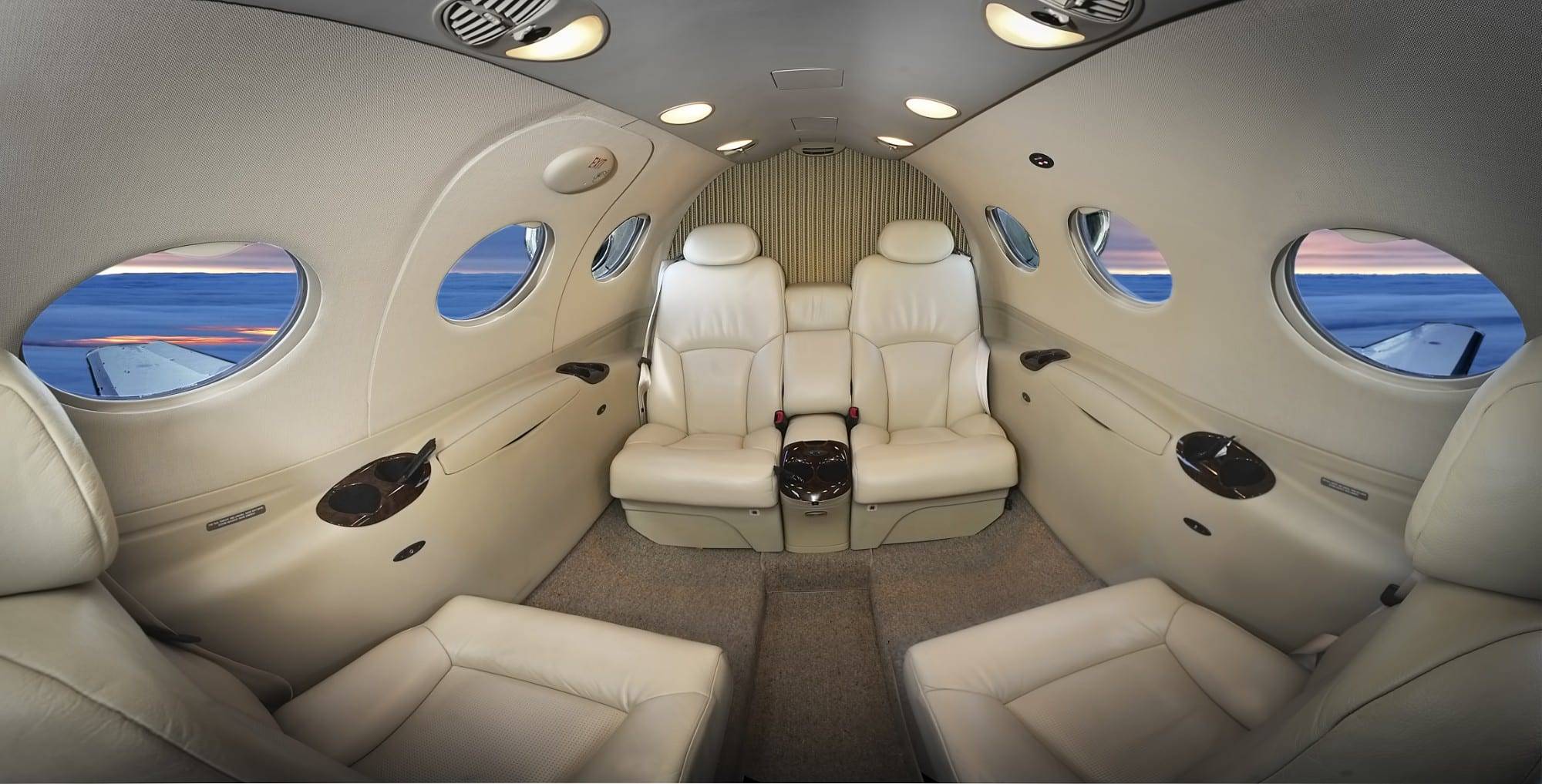
| Interior and paint | They count by age and condition; a ten-year-old interior is negotiated as a future refurbishment. |
| Completeness of records | Complete records hold value at every stage, from valuation to inspection. |
| Registry and location | For a buyer in Brazil, an aircraft abroad carries the cost of importing it, and the reverse holds too. |
To reach a number, the valuation starts from sales at known prices, measures the model's inventory in months (aircraft for sale divided by sales in the last 12 months, times 12) and applies these factors one by one, with the value of each adjustment. A valuation that does not show its adjustments is no help in a negotiation.
Before you list.
The file the buyer will ask for
- Airframe, engine and APU logbooks digitised, with continuity of dates and hours.
- A list of applicable airworthiness directives, with the record of compliance.
- Status of the engine and APU programmes, with the terms for transfer to the new owner.
- Items falling due in the next 12 months: inspections, life-limited components, batteries, extinguishers.
- Damage and repair history, with approvals and photographs.
- The aircraft's certificate from the RAB (Brazilian Aeronautical Registry), and the lender's letter where financing is to be paid off.
- Specification in Portuguese and English and current photographs with usage rights.
When the major inspection is close.
Doing it first has advantages: you choose the shop, control the cost and offer the market an aircraft with nothing outstanding. The drawback is tying up money and downtime without knowing whether the market will pay it all back.
Selling as is is faster, but the buyer will discount the estimated cost of the inspection, a margin for whatever it may find and the months on the ground. When the inspection is short and predictable, it usually pays to sell and adjust the price. When it is long, tends to produce findings or coincides with an interior change, doing it first usually protects the price. The decision rests on the numbers for your model, and it is one of the first we work through in an Opinion of Value.
Exclusive or open.
| Exclusive mandate | Open mandate | |
|---|---|---|
| Who offers the aircraft | A single representative for the term | Several brokers at once |
| Price and data in the market | One price and one description | Different versions, sometimes at different prices |
| Control over marketing | Channels you authorise | Hard to know who showed the aircraft to whom |
| What the buyer reads | An organised sale | A seller in a hurry, and negotiation from the lowest reference |
An open mandate seems to widen the reach, but business aircraft buyers and the brokers who represent them are a small group, and they see the same aircraft offered several times. That is why we recommend an exclusive mandate. Whichever type you choose, the mandate should record the asking price and the minimum authorised price, which never appear in marketing material, and the list of buyers introduced during the term.
How to compare offers.
A higher offer that depends on financing not yet approved is worth less than it looks. Before the number, look at what supports it:
- Proof of funds, or a letter from the institution providing the financing.
- The deposit amount and the conditions on which it is returned.
- The location and scope of the inspection, and how long the aircraft will be out of service.
- Delivery conditions: where, when and in what condition.
- How long the offer is valid.
A message with a number is no offer. Ask for the proposal in writing before you reply with a number of your own.
The inspection, from the seller's side.
The buyer chooses the shop and pays for the inspection. Market standard puts rectification of airworthiness items with the seller and the rest with the buyer, unless the letter of intent says otherwise. Follow the inspection closely: findings arrive classified, with cost and time, and a rectification can be done by the shop or exchanged for a credit on the price.
Agree in advance who is the insured party on the ferry to the shop and on the test flight. After technical acceptance, the deposit becomes non-refundable at the point the LOI sets, and the cap on hours flown before delivery takes effect.
After signature.
Closing follows a fixed order: buyer's funds confirmed, seller's lien released with the lender's letter, title released, registration filed and seller paid. The technical records go with the aircraft, with a signed inventory. The LOI, the agreement and the rest of the deal documents stay with you. Finally, confirm the listing has been taken down from every channel where the aircraft appeared.